Fashion trends inevitably come and go. Everything is in ‘season’ and stores are constantly stocking and restocking their shelves. Some fashion stays, and some fashion goes, that’s just how it rolls. I want to look into what trend patterns are reoccurring and why this may be.
First I want to start with differentiating between a trend, a fad and a classic, three simple fashion curves that generally get mistaken for each other. I will also be looking into the pendulum swing relating to the changes within the fashion world.
Trend
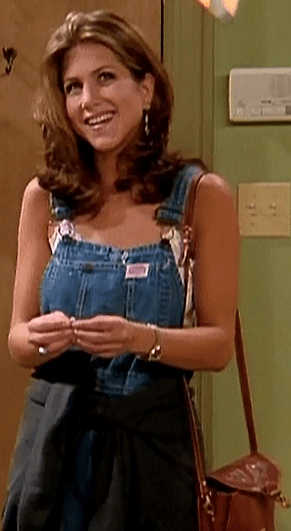
A Trend can be emerging, building or declining fashion. The clothing may last across a number of seasons or even years. Awareness is built among consumers and it is often widely publicised and everyone is talking about it. For example, in the 90s, leather jackets, acid wash jeans, overalls, Mom jeans and scrunchies, were all items that were a definite trend throughout that time period. Everyone was wearing these at the time, and instead of it being in for a few months, the whole of the decade revolved around this fashion. Even then, 90s fashion has lasted for absolutely years! It even trickled its way into the 2000’s alongside today, 90s fashion is still being considered a trendy look!
Fad
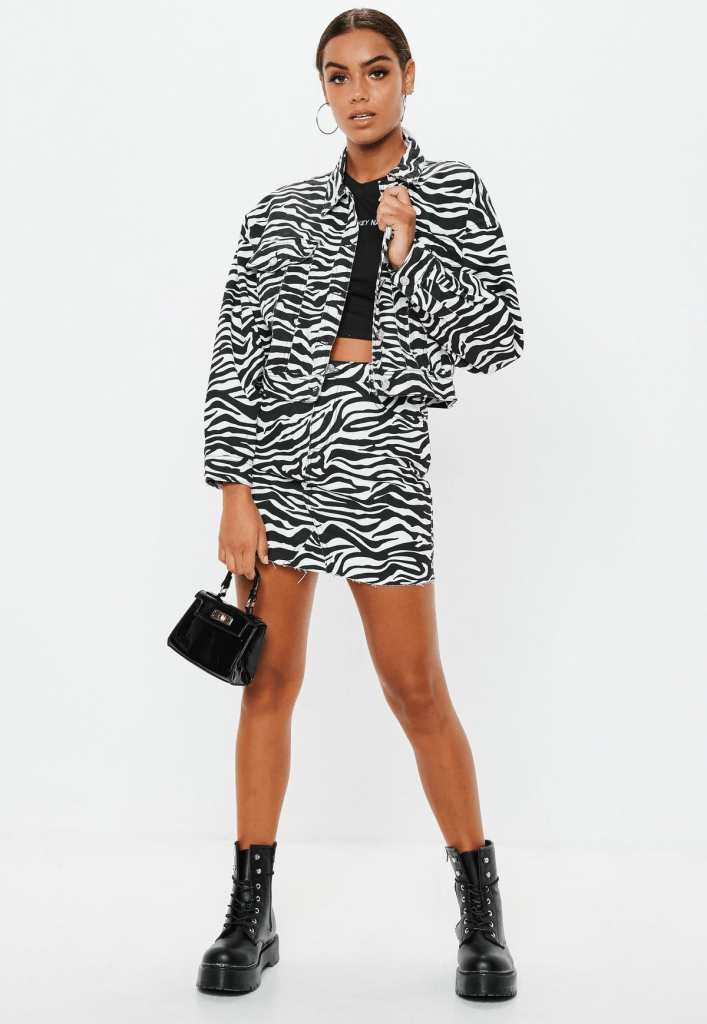
A Fad is considered to be a “short trend”, a trend that is a short duration. The fad is accepted amongst a fairly small number of consumers and fades quickly due to it not being supported by corrosponding lifestyle changes. When looking at fads within fashion, not everyone considers them to be very “trendy” after they have had their time. Many people will look back on a fad from their youth and cringe, why? Because it’s a fad and again the meaning being a short trend that is not widely accepted for a longer period of time. Fads such as overly distressed ripped jeans, Zebra print and “dirty” trainers, all had their time at the beginning of last year, but you no longer see people sporting these items today. Fads that may be not so unfamiliar to many outside of the fashion world, are things such as loom bands, fidget spinners and penny boards. Its a rage at the time, but moving past it is what inevitably happens.
Classic
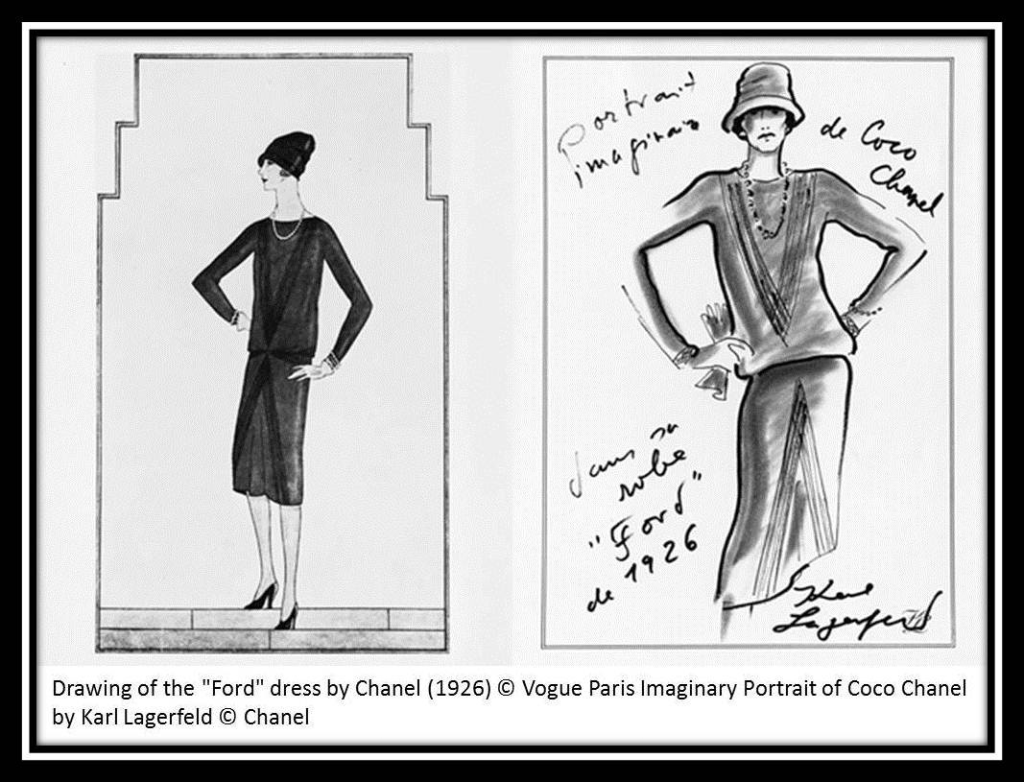
A classic is as it sounds, a long trend that sticks around. Any item or style that gains visibility, generates multiple purchases, and reaches a plateau level of widespread acceptance that persists over a long period of time. “A classic can stand the test of time and can appear flattering on almost anyone, despite age, decade, or current fashion. Classics are forever.” An example of a brand that sells a classic is Chanel. Chanel is iconic for it’s “little black dress” and has been a wardrobe staple for women for more than 100 years. Alongside this classic items such as the trench coat, leather biker jackets, a white shirt and Chelsea boots, are all considered to be a classic staple item that will continue to be adorned by everyone and loved for years to come.
Pendulum swing
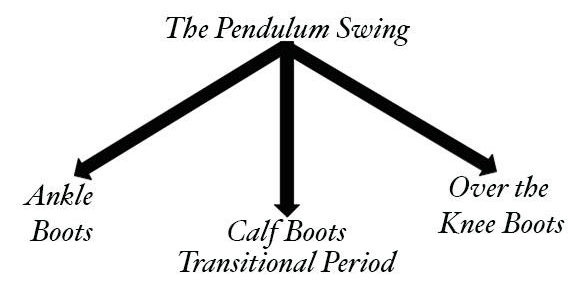
To finalise, fashion likes to change all the time. One minute it will be focused on one particular trend and the next on another. The pendulum swing is “a movement when fashion swings from one extreme to another.” It essentially swings from a point of exaggeration and then moves in the opposite direction. For example, short skirts will get as short as they can get and then the pendulum swing will swing towards longer skirts, then when the skirts can not become any tighter, it will then swing towards loser cut skirts. There is generally a period in between where you see a transition in these changes, like ankle boots being popular, the transitional period in between being calf boots and then swinging to over the knee boots.
 Amelia's Fashion Blog